Understanding the Java Module System (JPMS) in Modern Applications

Understanding the Java Module System (JPMS) in Modern Applications

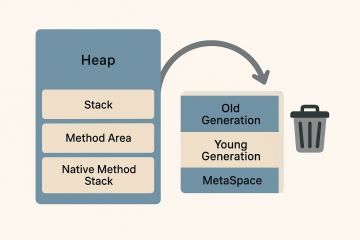
With the release of Java 9, the Java Platform introduced a significant architectural shift: the Java Platform Module System (JPMS). While backward compatibility remains intact, JPMS enables developers to write better organized, secure, and scalable applications. In this blog post, we will explore: Why JPMS Was Introduced Before Java 9, Read more

Best Practices for Debugging & Troubleshooting Java Applications

Best Practices for Debugging & Troubleshooting Java Applications

Introduction Even the most experienced Java developers encounter bugs and runtime issues. Debugging and troubleshooting are critical skills for identifying root causes, resolving issues efficiently, and maintaining application health. Whether you’re fixing a null pointer exception, tracking down memory leaks, or resolving slow performance, a systematic approach is key. This Read more

Comparing SQL vs. NoSQL Databases for Java Backend Applications

Comparing SQL vs. NoSQL Databases for Java Backend Applications

Introduction Choosing the right database for your Java backend application is a crucial architectural decision that impacts scalability, performance, data consistency, and future flexibility. SQL (relational) and NoSQL (non-relational) databases serve different use cases and understanding their characteristics is essential for backend developers and architects. In this article, we’ll explore Read more

How to Optimize Database Performance in Spring Boot Applications

How to Optimize Database Performance in Spring Boot Applications

Introduction Database performance is critical to the overall speed and scalability of Spring Boot applications. As applications grow in complexity and user base, ensuring efficient data access becomes essential to delivering low-latency responses and preventing system bottlenecks. In this blog, we’ll explore practical techniques to optimize database performance in Spring Read more

How to Reduce Cloud Costs for Your Java Applications

How to Reduce Cloud Costs for Your Java Applications

Introduction Java applications are widely used in enterprises due to their robustness, scalability, and extensive ecosystem. However, when deployed in cloud environments, they can incur significant costs if not optimized properly. Understanding how to manage and reduce cloud spending is essential for businesses looking to improve ROI without sacrificing performance. Read more

Serverless Architecture: Is It the Future of Cloud Computing?

Serverless Architecture: Is It the Future of Cloud Computing?

Introduction Cloud computing has continuously evolved, reshaping the way applications are designed, developed, and deployed. Among the latest innovations, serverless architecture stands out, promising developers more agility, scalability, and cost-efficiency. But is serverless truly the future of cloud computing? Let’s delve deeper into serverless architecture, understand its core concepts, benefits, Read more

CI/CD Pipeline for Java Applications with Jenkins & AWS CodePipeline

Building a CI/CD Pipeline for Java Applications with Jenkins and AWS CodePipeline

Building a CI/CD Pipeline for Java Applications with Jenkins and AWS CodePipeline Continuous Integration and Continuous Deployment (CI/CD) are essential for delivering software reliably and rapidly. In this guide, we’ll build a professional CI/CD pipeline for a Java application using Jenkins and AWS CodePipeline. By combining Jenkins’s flexibility with AWS CodePipeline’s managed delivery Read more