Mastering Asynchronous Programming in Java with CompletableFuture

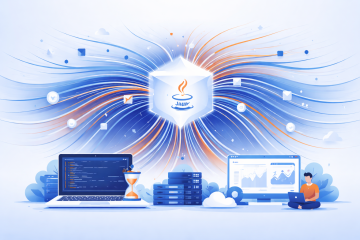
Mastering Asynchronous Programming in Java with CompletableFuture

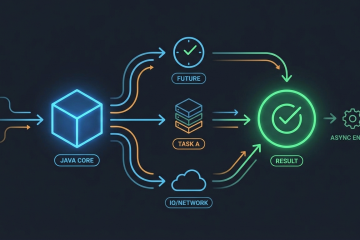
Modern applications are expected to be fast, responsive, and capable of handling multiple operations concurrently. In Java, traditional multithreading using Thread, Runnable, and ExecutorService often leads to verbose code, complex error handling, and difficult-to-maintain logic. This is where CompletableFuture, introduced in Java 8, fundamentally changes how we write asynchronous and Read more

How to Build High-Performance APIs in Java Using gRPC

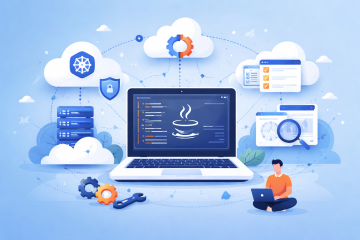
How to Build High-Performance APIs in Java Using gRPC

Introduction As modern systems scale, traditional REST-based APIs often begin to show limitations—especially in latency-sensitive and high-throughput environments. JSON serialization overhead, verbose payloads, and HTTP/1.1 constraints can become bottlenecks in distributed systems. This is where gRPC stands out. gRPC is a high-performance, open-source RPC framework that uses HTTP/2 and Protocol Read more

JVM Internals Explained: Class Loaders, Bytecode, and Execution Engine

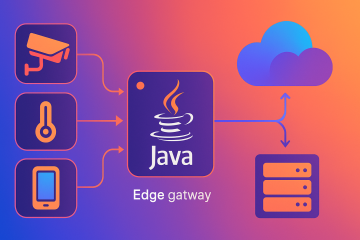
JVM Internals Explained: Class Loaders, Bytecode, and Execution Engine

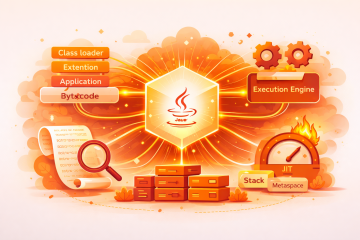
Introduction One of Java’s greatest strengths is its promise of “write once, run anywhere.” Behind this promise lies the Java Virtual Machine (JVM)—a sophisticated runtime that abstracts hardware, manages memory, executes bytecode, and optimizes performance dynamically. Many Java developers use the JVM every day, yet only a few truly understand Read more

Understanding Virtual Threads in Java (Project Loom) for High Concurrency Systems

Understanding Virtual Threads in Java (Project Loom) for High Concurrency Systems

Introduction High concurrency has always been one of Java’s strongest use cases—and one of its toughest challenges. For years, Java developers have relied on thread pools, asynchronous frameworks, and reactive programming models to scale systems efficiently. While these approaches work, they often introduce complexity that makes systems harder to reason Read more

Choosing the Right Cloud Database: RDS, DynamoDB, Aurora, or DocumentDB?

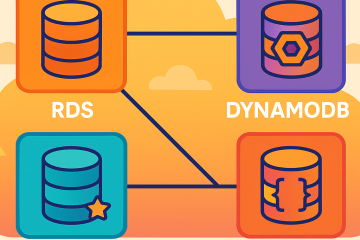
Choosing the Right Cloud Database: RDS, DynamoDB, Aurora, or DocumentDB?

Choosing the right database service is one of the most critical decisions when designing a cloud-native application. AWS offers a variety of purpose-built databases that cater to different performance, scalability, cost, and operational requirements. Among the most widely adopted options are Amazon RDS, Amazon Aurora, Amazon DynamoDB, and Amazon DocumentDB. Read more

Eventual Consistency in Distributed Java Systems: Patterns and Pitfalls

Eventual Consistency in Distributed Java Systems: Patterns and Pitfalls

Building modern applications inevitably means distributing components across multiple services and data stores. With microservices, cloud-native architectures, and globally distributed systems, strong consistency becomes difficult and expensive to maintain at scale. This is where eventual consistency emerges as a practical and scalable solution. In this article, we’ll explore how eventual Read more

How to Perform Technical Debt Assessment in Legacy Java Systems

How to Perform Technical Debt Assessment in Legacy Java Systems

Legacy Java systems often represent years of enhancements, quick fixes, shifting business priorities, and evolving technology stacks. While these systems continue to deliver critical value, they also accumulate technical debt — making development slower, riskier, and expensive over time. A systematic technical debt assessment helps organizations identify hidden inefficiencies, prioritize Read more

2-Factor App Principles Applied to Java Applications

Understanding Two-Factor Authentication in Java

What is 2FA? Two-Factor Authentication involves combining two different categories of identity evidence: Factor Type Examples Knowledge Password, PIN, security questions Possession OTP app, SMS code, hardware key (FIDO2, YubiKey) Inherence Face/voice recognition, fingerprints Why 2FA for Java Applications? Java systems frequently support: Payment transactions Profile and personal data management Read more