Introduction
In today’s fast‑moving digital world, microservices architectures demand frequent updates without interrupting service availability. Zero downtime deployments are essential for mission‑critical systems—such as banking, e‑commerce, and high‑traffic consumer apps—to ensure customer trust and operational resilience.
This article explores two established strategies—Blue/Green and Canary deployments—along with technical considerations, pipeline integration, and best practices for implementing them effectively in microservices environments.
Blue/Green Deployment
What Is It?
Blue/Green deployment maintains two identical environments: one active (Blue) and one idle (Green). New releases are rolled out on Green. Once validated, production traffic switches from Blue to Green in an instant cutover
Benefits
-
Zero downtime: Traffic is switched instantly after validation.
-
Instant rollback: If issues arise, you can revert to Blue immediately
-
Full production testing: Enables production‑quality validation before directing live traffic.
Trade‑offs
-
Resource cost: Running two full environments doubles infrastructure usage
-
Database complexity: Schema updates must remain backward‑compatible across both environments.
-
Configuration drift risk: Both environments must be kept in sync.
Typical Implementation Workflow
-
Provision Blue and Green environments behind a load balancer or proxy (e.g. Kubernetes services, AWS ELB, Azure revisions)
-
Deploy and validate the new version on Green.
-
Perform automated health checks and optionally shadow live traffic for testing.
-
Switch traffic via load balancer or DNS.
-
Monitor, and if needed, rollback instantly by reversing the switch.
Canary Deployment
What Is It?
A Canary release deploys the new version to a small subset of users or servers first. Traffic is incrementally increased if no issues are detected; otherwise, the rollout is paused or rolled back.
Benefits
-
Controlled risk exposure: Only a small “canary” group encounters changes initially.
-
Live feedback: You can collect metrics and user behaviour data before full rollout.
-
Lower resource overhead: No need for two full production environments.
Trade‑offs
-
Longer rollout time: Changes are introduced gradually.
-
Operational complexity: Requires sophisticated routing, monitoring, and automation.
-
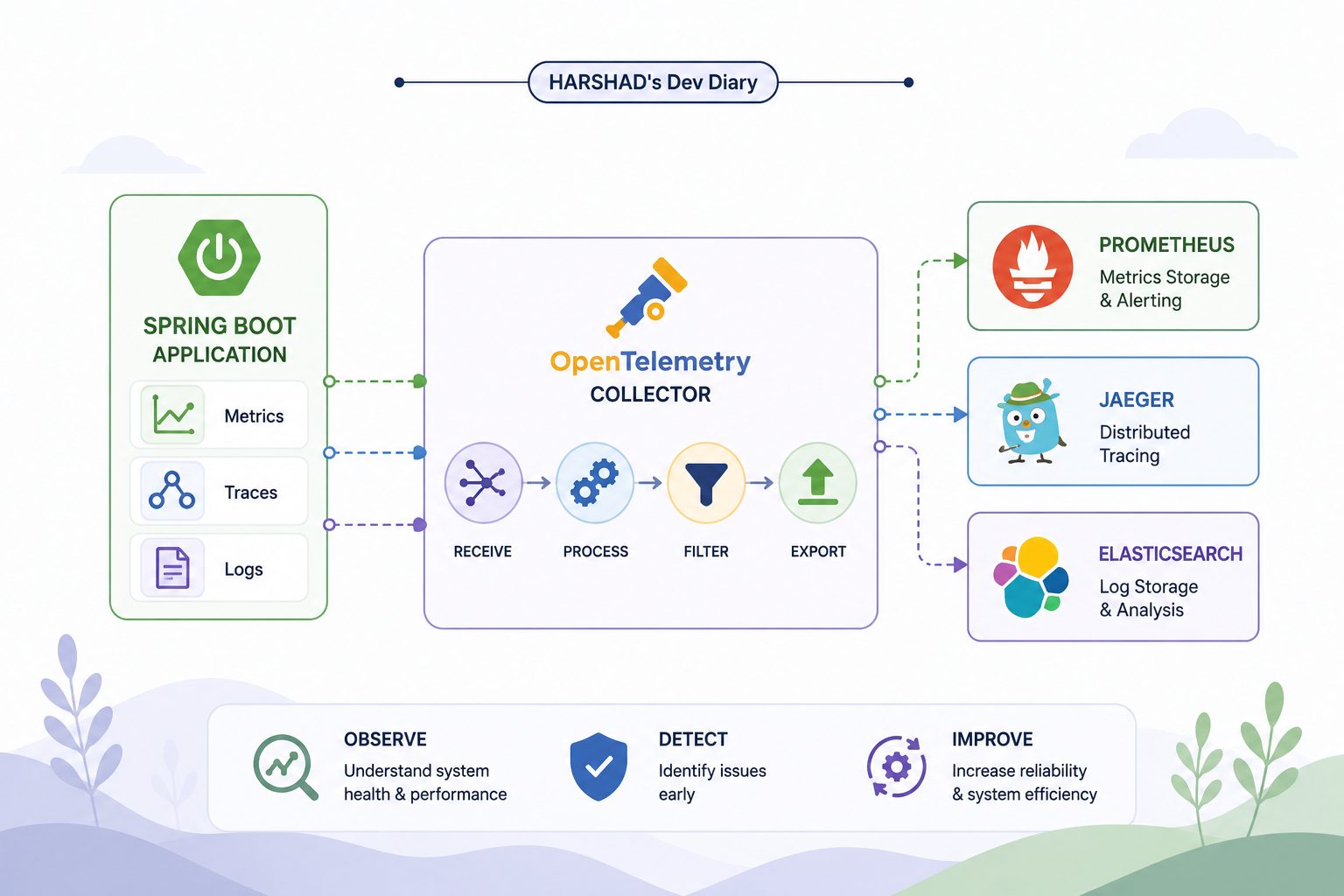
Monitoring dependency: Requires robust observability to detect subtle issues early.
Typical Workflow
-
Deploy version V2 alongside V1 in the production cluster.
-
Route a small percentage (e.g. 5 %) of traffic to V2.
-
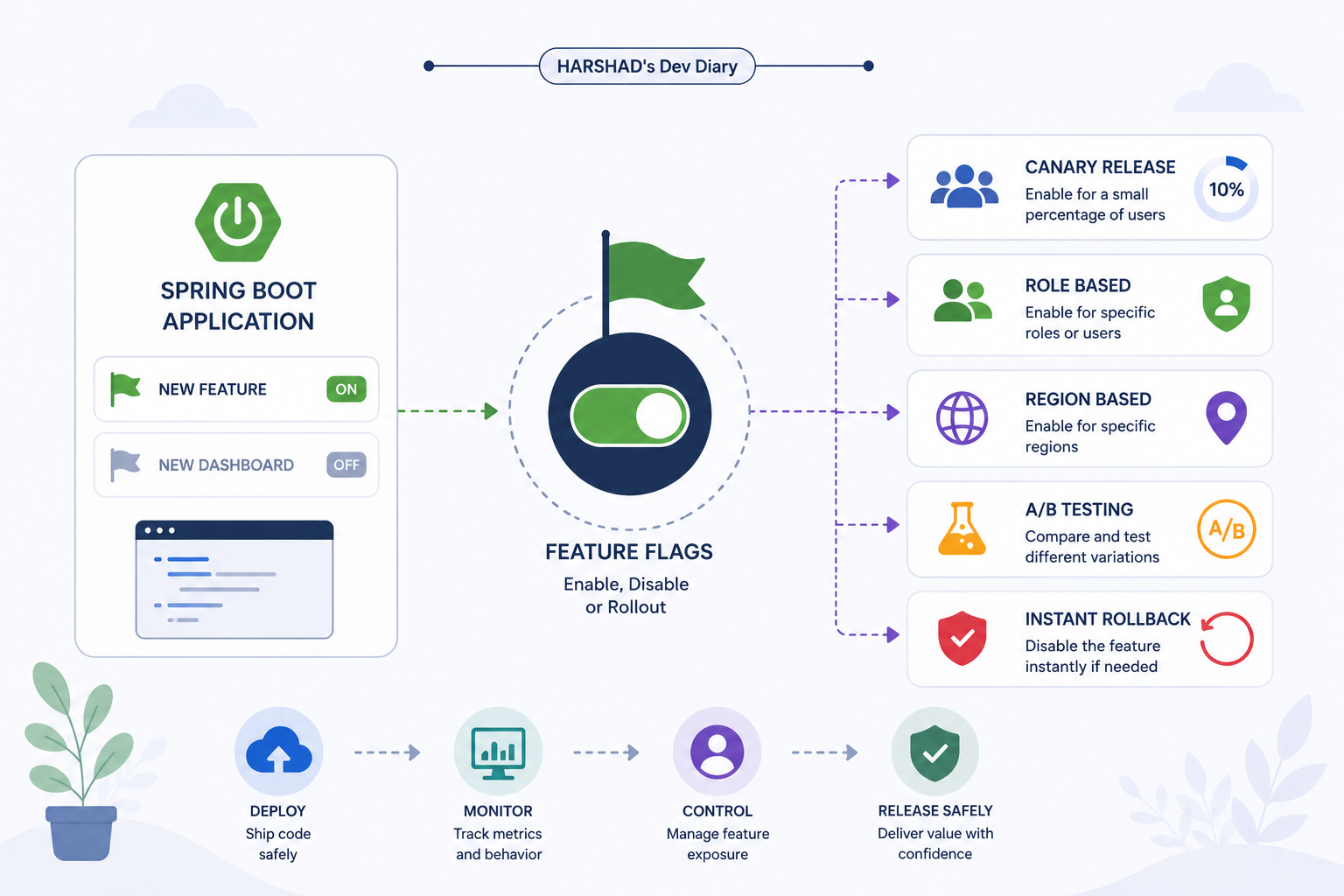
Monitor key metrics—response times, error rates, user behavior. Optionally use feature flags to activate features only for canaries
-
Gradually increase traffic share (e.g. 25 %, 50 %, full).
-
Full cutover if stable; otherwise rollback quickly by sending traffic back to V1.
Blue/Green vs. Canary: When to Use Which
| Criteria | Blue/Green | Canary |
|---|---|---|
| Downtime risk | Zero or near zero | Very low, but ramp‑up period longer |
| Rollback speed | Instant cutover | May require targeted rollback |
| Resource usage | High (full duplicate env) | Moderate (subset of servers/users) |
| Feedback & validation | Limited real user exposure | Live feedback per stage |
| Operational complexity | Simple conceptual model | Complex routing and monitoring |
| Suitable for | Major releases, static services | Feature releases, high‑risk changes |
You may choose to combine strategies—for instance, use a blue/green setup internally and employ canary logic on a service‑by‑service basis within the Green environment
Best Practices (Applicable to Both Strategies)
-
CI/CD automation: Automated pipelines for build, test, deploy, and routing changes reduce human error
-
Stateless services: Ensure services are stateless, and databases support backward‑compatible schema changes.
-
Health checks & monitoring: Automate readiness and liveness probes; monitor performance, user metrics, logs and errors.
-
Feature flags: Use feature toggles to gradually activate features and enable dynamic rollback.
-
Rollback strategy: Test scripted rollback paths regularly.
Conclusion
Both Blue/Green and Canary strategies are proven ways to deliver zero‑downtime deployments in microservices. Blue/Green offers simplicity and instant rollback, while Canary gives granular control and feedback—perfect for iterative feature rollouts. Choose based on your infrastructure capacity, risk profile, and deployment complexity. Combining both often yields the best balance of reliability, control, and user experience.
Read more: Zero Downtime Deployments in Microservices: Blue/Green and Canary Strategies

0 Comments